Categories
Exterior Painting

What Is The Best Temperature To Paint Outside?

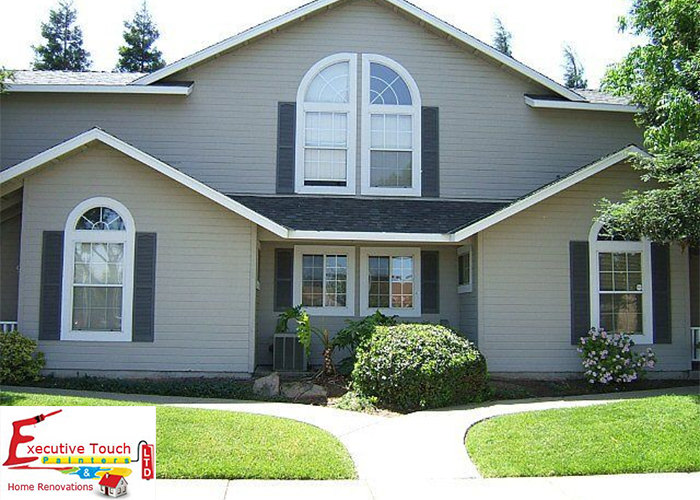
For any painting project, temperature and humidity are both important factors to consider before starting an outdoor painting project. It is important to know what temperature the painting is to be done for conducting any interior or exterior painting project for your house. If the painting is done when it’s too cold, there is a risk of wasting time and money. If you are a homeowner in Toronto looking for an exterior painting project, read the article to know the best temperature to paint outside.

What Is The Temperature For Exterior Painting?

Most homeowners know that outdoor painting should not be done in the winter season, and on the other hand, painting in the hot climatic conditions of July and August can dry the paint. The truth is that painting should be done when the moderate temperature and there is very little wind. The ideal temperature in Toronto might be 60-85 Fahrenheit, and also, little wind might cause the paint to dry quickly.

Painting In Heat

If the painting project is conducted when the temperature is too low or high, the paint might not bind properly to the wall and can also lead to peeling or cracking. When it’s too hot, Painting can cause bubbles and blisters to form in the paint. Consequently, we recommend not painting in temperatures above 90 degrees Fahrenheit.

Painting In Cold Weather

If the exterior painting is conducted in cold conditions, ensure that the temperature does not fall below 35 degrees for at least 36 hours after the painting is completed. If the temperature is not as required, then there is a possibility that bumps or bubbles form in the paint.

What Temperature Is Best For Painting?

For any exterior painting project, Latex or Oil-based paints are used prominently. If you are using latex paint, then the temperature should be between 50-60 °F, and for Oil-base paints, the temperature should be between 45-90 °F. If the painting should be done in cold temperatures, specially formulated latex paints are used, which can perform at temperatures as low as 36°F.

Timing Is The Key

Our Painting experts at Executive Touch Painters suggest the following in the exterior painting project.

  • The area’s temperature should be between 60° and 85°F with little to no wind.
  • To ensure that the paint dries out quickly, the humidity range should be 40% to 70%.
  • If the temperature is too hot, it is recommended to start the painting on the shady side of the house to avoid the sun’s glare.
  • If you are using Oil-based paints, the temperature should be 40°F to 90°F, and for latex paints, the range is 50°F to 85°F.
  • For best results on your exteriors, always use Latex paint.

How Humidity Affects Painting?

For exterior painting, moisture can always be frustrating as too much moisture can lead to the formation of water vapor on freshly painted walls. The ideal humidity level for painting outside is between 40-70%. Here is a list of some potential consequences to paint when humidity is too high

  • Excess humidity causes bubbles, making it difficult for the paint to adhere to any surface. When the air is too dry, wood shrinks, eventually cracking or splitting.
  • If your area has too much humidity, your paint shows leaching signs.
  • Moisture always hinders the protective layer of the painting, and thereby, the protective layer of paint is compromised.

The Best Time For Exterior Painting

With the cold temperatures and too hot conditions in the summer, the best time for exterior painting is in the spring and fall seasons. As a professional painter, you would not like to work in the summer heat season, and also, there is a chance that painting dries too quickly.

Talk To A Professional Painting Company

If you are a homeowner looking to paint your exterior, you need to talk to a professional painter who has a full idea of all painting works. The too high or low temperature might cause the paint not to bind together properly and lead to cracking or peeling. Executive Touch Painters have experienced Toronto Painters who can offer a full range of painting services. Contact us for more details.
Categories
Exterior Painting

How To Remove Paint On Windows?

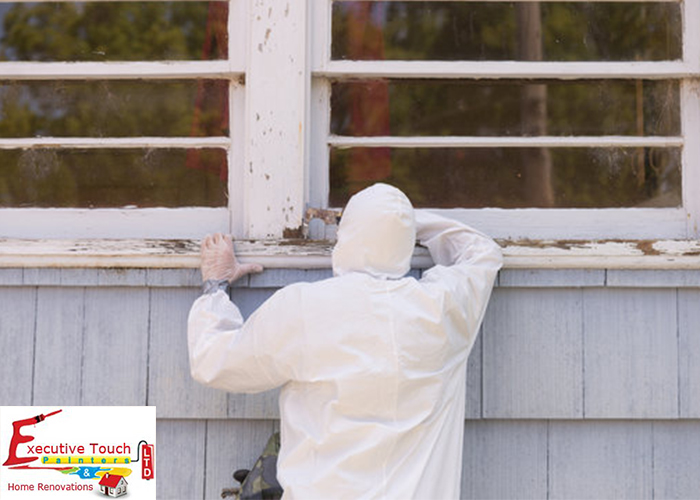
A fresh coat of paint gives a beautiful look to your house, and it is not that easy to get the desired look without a few mishaps, especially while painting windows. Windows are made of glass and trims, and there is a possibility that dried paint flecks spoil the view of the windows, and it is not that easy to remove the paint on the windows. Professionals have worked out some methods which can be used to remove paint on windows. Read the article to know how to remove paint on windows.

Tips To Remove Paint On Windows

1. Removing Paint Using Vinegar And Dish Soap

Take a cup of vinegar and boil it in the microwave. After bringing the liquid to boil, dip a clean rag into the solution and rub against the paint spots. Even after rubbing with the vinegar, the spots do not come off. Then, add one tablespoon dish soap into a small bucket and fill it with warm water. Now dip a cloth into the solution and saturate the paint stains. Once you have removed all the paint, wipe the glass with a clean rag or paper towels.

2. Removing Paint With Diluted Vinegar

Heat the vinegar and water in a pot until they boil. Put on rubber gloves before dipping a rag into the mixture. Rub at the stain. Start slowly, then scrub a little harder as the paint loosens. If the paint does not come, scrape off the paint with a razor blade by keeping the glass wet with vinegar. Finish the cleaning with a clean cloth and window cleaning liquid.

3. Removing Paint Using Soap Water

Prepare a soapy solution with one tablespoon of dish soap and one bucket of warm water. Wipe off the paint on windows by using a cleaning cloth or sponge dipped in the mixture, then wipe away any dirt or grime. Carefully scrape off the paint with a razor blade. Squeegee to eliminate any streaks. Polish the window with a clean, dry cloth.

4. Remove Paint From Window Frame

Remove handles, crews, and other hardware from the windows. Now lay a clean tarp below the windows and put on safety glasses. Now open the solvent-based stripper into a clean bucket. Dip a paintbrush into the bucket and remove as much paint as possible. You also have the option to use a paint scrubber to remove extra paint and also use a wire brush to remove paint from depressions and creases.

5. Removing Paint From Metal Windows

Open the bottle of the chemical paint stripper and pour the liquid into a clean bucket. Then dip a disposable paintbrush into the bucket, and use it to saturate the entire surface of the window with the stripper. After applying 2 to 3 coats, let the metal surface soak the stripper for 20 to 30 minutes. Dip a cloth into the spirit and wipe away the remaining flecks of paint.

6. Removing Paint Using Nail Polish Remover

An acetone-based nail polish remover can be used as a solvent for removing paint from the windows. Wet a microfiber cloth with nail polish remover, then press it against the spray paint. When the paint starts to soften, scrub with the cloth.

Conclusion

When painting on windows, one should use painter’s tape to protect the edges of the window frames from getting painted. If you are a house owner looking to paint your house, you need to take the help of a professional painting company where the painters have ideas to make your house more beautiful and avoid mess-ups. Executive Touch Painters are professional Toronto Painters who have experience in interior and exterior painting. Contact us for more details.

Categories
Interior Painting

Wainscoting Ideas Toronto

Wainscoting is the special technique used for decorating the lower parts of your interior walls. It has gained popularity from the 16th century as it helped keep put cold and stave off moisture-related damages. This technique is primarily used to add beauty to interior spacing in modern times. Wainscoting can be either pre-made or custom-built and made from various materials. If you consider decorating your house interior with wainscoting, read on to know the most interesting wall panel ideas for your interiors.

Some Of The Beautiful Wainscoting Ideas For Homes

1. Beautiful Bead Board

Adding bead boards is one of the ways to give a stylish edge to your wainscoting. A series of narrow wooden planks are used in beadboards to add visual interest to wainscoting, for your wainscoting detailed with coatings to give extra beauty to rooms and interiors.

2. Raised Panels To Add Elegance

The panels used in wainscoting are divided by thin vertical strips and then finished with an upper horizontal rail of molding to give a formal look to living rooms, guest rooms, and dining rooms. The raised panels give depth to the rooms and simultaneously maintain a crisp and clean aura.

3. Creating Clean Lines With Board and Batten

Alternative wide or MDF panels are used as narrow wooden strips between upper and lower horizontal rails of molding. The panels blend beautifully between traditional and modern elements in the transitional spaces, kitchens, and other rooms. The idea is inspired by world-inspired flax board-and-batten wainscoting to warm your rooms and have a modern appearance.

4. Selecting Soft Neutrals

Always ensure to choose a quality wall painting or wainscoting style paint so that the room’s space is not overlooked. While soft neutrals are selected, white panels and low-key cream-colored walls serve as an elegant backdrop for your modernized room with a beautiful glitzy chandelier. Fresh wainscoting hues like white and cream give an option for adding more design elements for your traditional or modern rooms.

5. Using Beautiful Wallpaper

One of the best wainscoting ideas for your house is lively wallpaper for interiors. Embrace your bold eye for design by pairing lively wallpaper with a colorful, wainscoted base. The combination of different wallpapers gives your dining room a rich look and a good atmosphere.

6. Creating A Contrast

Using black and white cannot always be beautiful for your interiors. Black wainscoting painted on Benjamin Moore’s contrasting colors help in picking up the black ascent and gives whimsical illustrations for interiors.

7. Bold Ideas

If you feel that your reading room, hallways, or other rooms are not getting the attention they deserve, then it is time to use eye-popping colors for functional spaces of your house. Wainscoting colors like electric blue or magenta red can inject energy into your rooms and give a special look for interiors.

8. Brighten And White Colors

If you are a lover of black color but fear that interiors might become dull, there is a beautiful idea brightening your rooms. The whiteboard-and-batten wainscoting in this multipurpose room shifts guests’ gaze to the painted accent and highlights the ceilings. Painting the wainscoting below with white color will help to brighten a room and make rooms cozier.

9. Matching The Wall Color

Choosing the color for wainscoting with your wall is often overlooked in achieving visual cohesion. Distinctive abstract wall art, colors for living rooms matching walls, and contemporary colors help maintain a unified look for walls and raised panels.

10. Colors For Cabinets

If your house has many cabinets, then consider installing wainscoting on the other walls to avoid the lopsided look and achieve a more cohesive and modern look for rooms. One of the ideas can be installing white recessed panels against blue-gray dining rooms with custom white color for cabinets to have a balanced effect.

11. Colors For Staircases

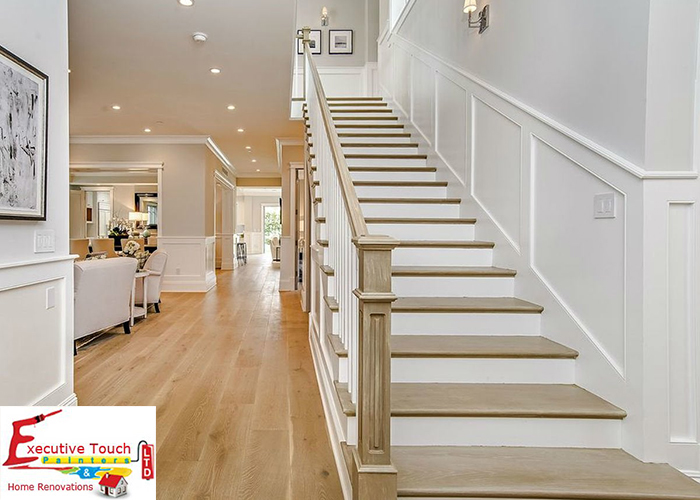
Wainscoting not only protects your walls but also adds beauty to entryways, hallways, and other high-traffic areas of your house. Whiteboard and batten wainscoting can always be a great idea to keep scuff marks away from staircases.

12. Top To Bottom

Wainscoting is used to cover one-third of the interior walls sometimes, and it is advised to extend the panels to the roof. The raised mojo panels in the traditional wainscoting give a feeling of an increase in the height of space. To add beauty and increase the space of your rooms, it is advised to paint an entire wall with the same color.

Conclusion

Wainscoting is one of the best ways to give your interior and house a beautiful look. There is no limit to the budget for wainscoting for a normal house, but you need to use good choices for the bottom parts of your walls. If you are a homeowner looking to try out a wainscoting feel for your interior walls, you need to take the help of a professional house renovator. Executive Touch Painters have over 30 years of experience in interior and exterior painting. Contact us for more details.